
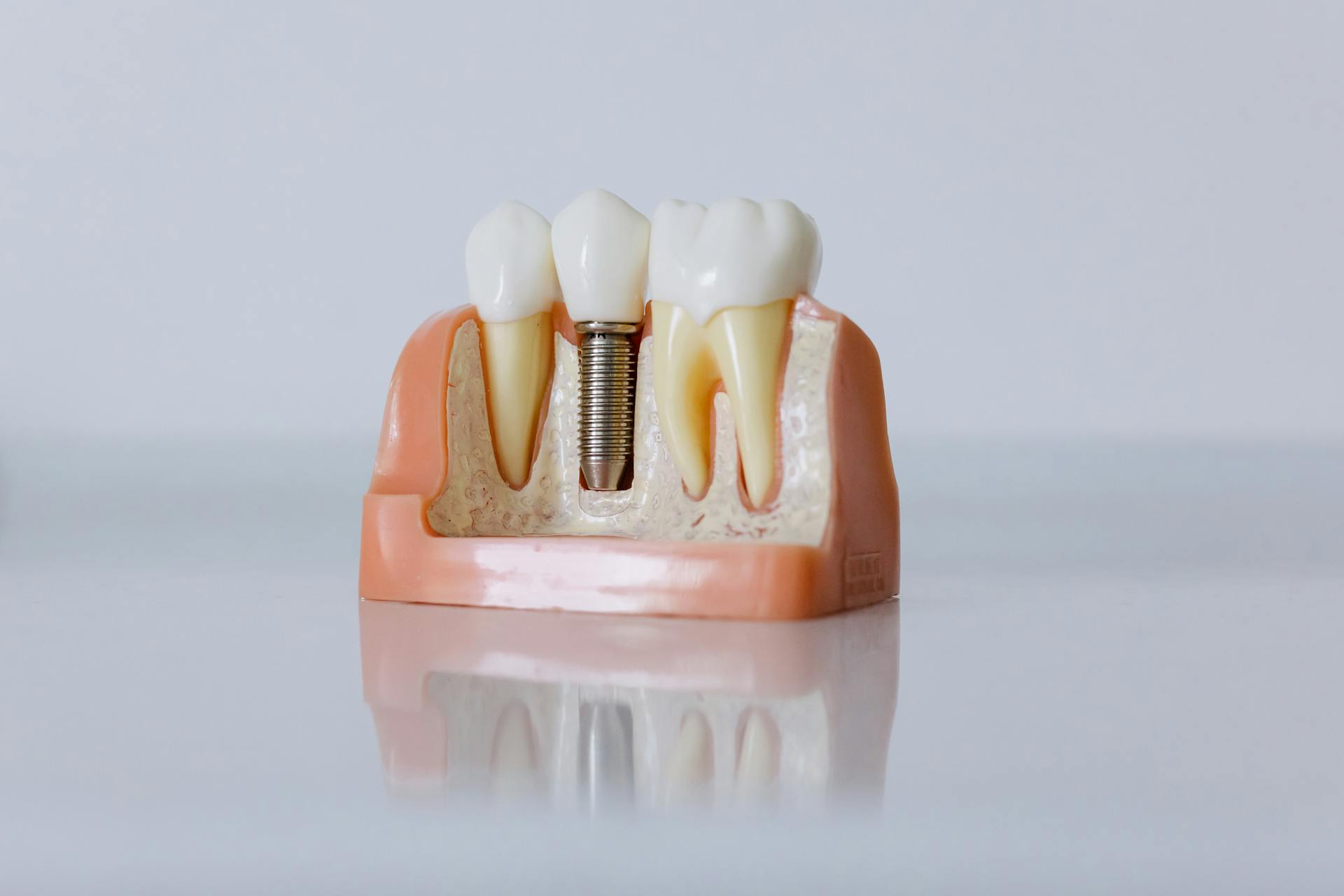
Dental implants are one of the most practical and long-lasting solutions for replacing absent teeth. They not only restore your smile but also help maintain jawbone health and overall oral function. But not everyone is automatically a good candidate for implants. So, how do you know if it’s the right option for you? Here’s a health checklist to help you determine if you might be a candidate for dental implants—and what to expect from the process.
Good Oral Health Is the First Step
 Your overall oral health is one of the first things your dentist will evaluate. Healthy gums and a clean mouth reduce the risk of infection during and after implant surgery. If you have untreated gum disease, it can interfere with healing and compromise the implant. That’s why your dental practice may recommend treating any underlying oral issues before moving forward with the implant process.
You Need Enough Jawbone to Support the Implant
Dental implants are anchored directly into the jawbone, so bone density plays a critical role. If you’ve been missing a tooth for a while, the jawbone in that area may have begun to deteriorate. In some cases, a bone graft might be necessary to build up the area before an implant can be placed. A 3D scan or dental X-ray can help your dentist evaluate whether your bone is strong and dense enough for the procedure.
Chronic Health Conditions Must Be Under Control
Certain medical conditions don’t automatically disqualify you from getting dental implants, but they do need to be well-managed. For example, diabetes can affect how your body heals, which is a key part of successful implant placement. Similarly, autoimmune diseases and blood-clotting disorders can increase the risk of complications. If you’re managing a chronic condition, be sure to discuss it with your dentist so they can coordinate care with your physician if needed.
Tobacco Use Can Interfere With Healing

Smoking or using other tobacco products can significantly reduce your chances of a successful implant. Tobacco affects blood flow, which stalls healing and increases the risk of infection. It can also interfere with how the implant fuses to the jawbone—a process called osseointegration. Many dentists recommend quitting smoking at least a few weeks before and after the surgery to improve the chances of long-term success.
Commitment to Aftercare Is Essential
Getting dental implants isn’t just a one-and-done procedure. It requires a strong commitment to aftercare, including good oral hygiene and regular dental visits. Brushing, flossing, and keeping up with checkups are key to preventing issues like gum inflammation or peri-implantitis, which can threaten the stability of the implant. If you’re someone who stays on top of their dental care, you’re much more likely to enjoy long-term success with implants.
Dental implants are a fantastic option for many people, but they’re not a perfect fit for everyone. If you’re considering implants, talk with your dentist about your specific needs and concerns. They can guide you through the process and help you decide if implants are the best choice to restore your smile.